Fixed braces.
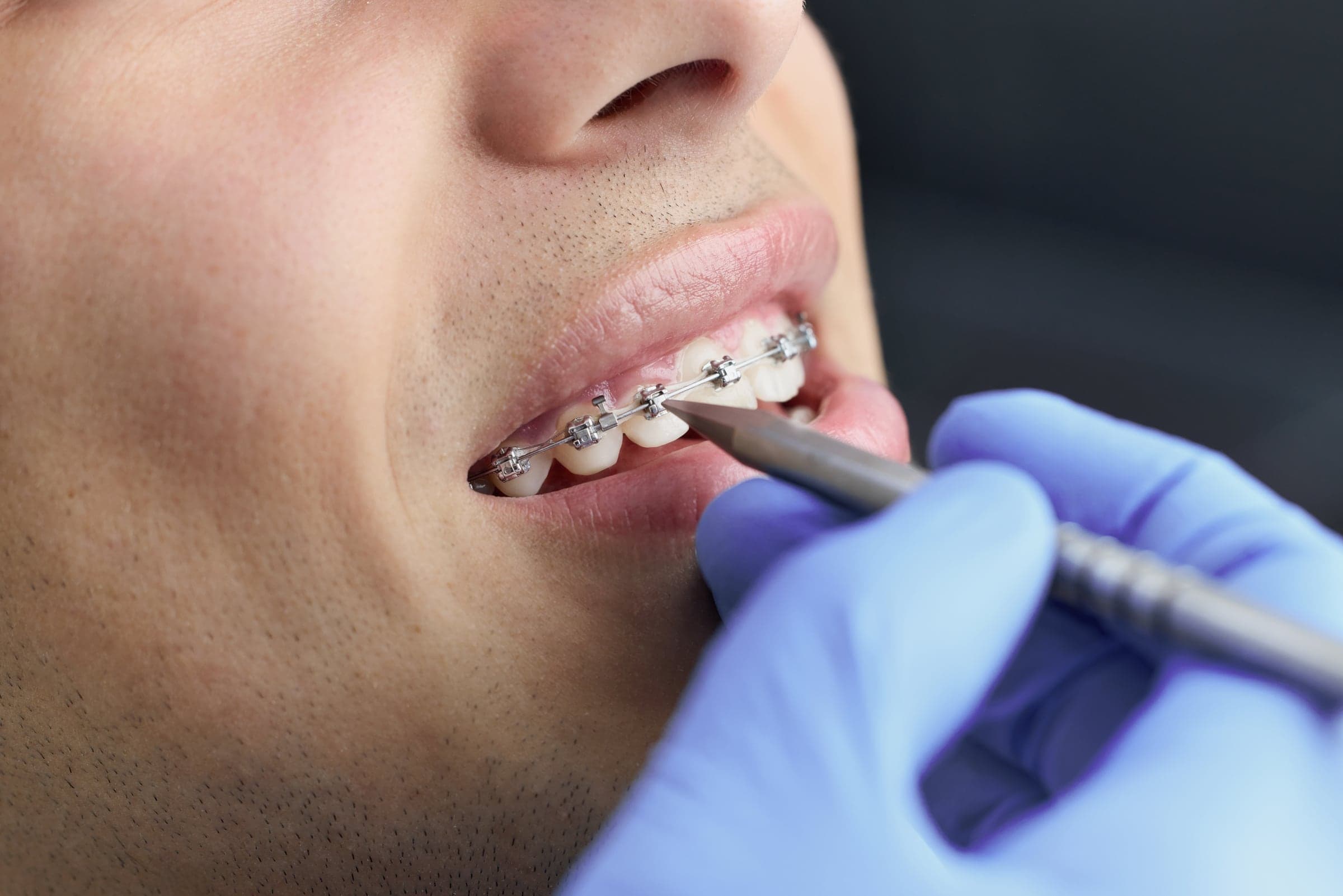
Fixed braces are the classic of orthodontics – proven, precise and especially reliable for pronounced misalignments.
( Fixed braces )
How fixed braces work.
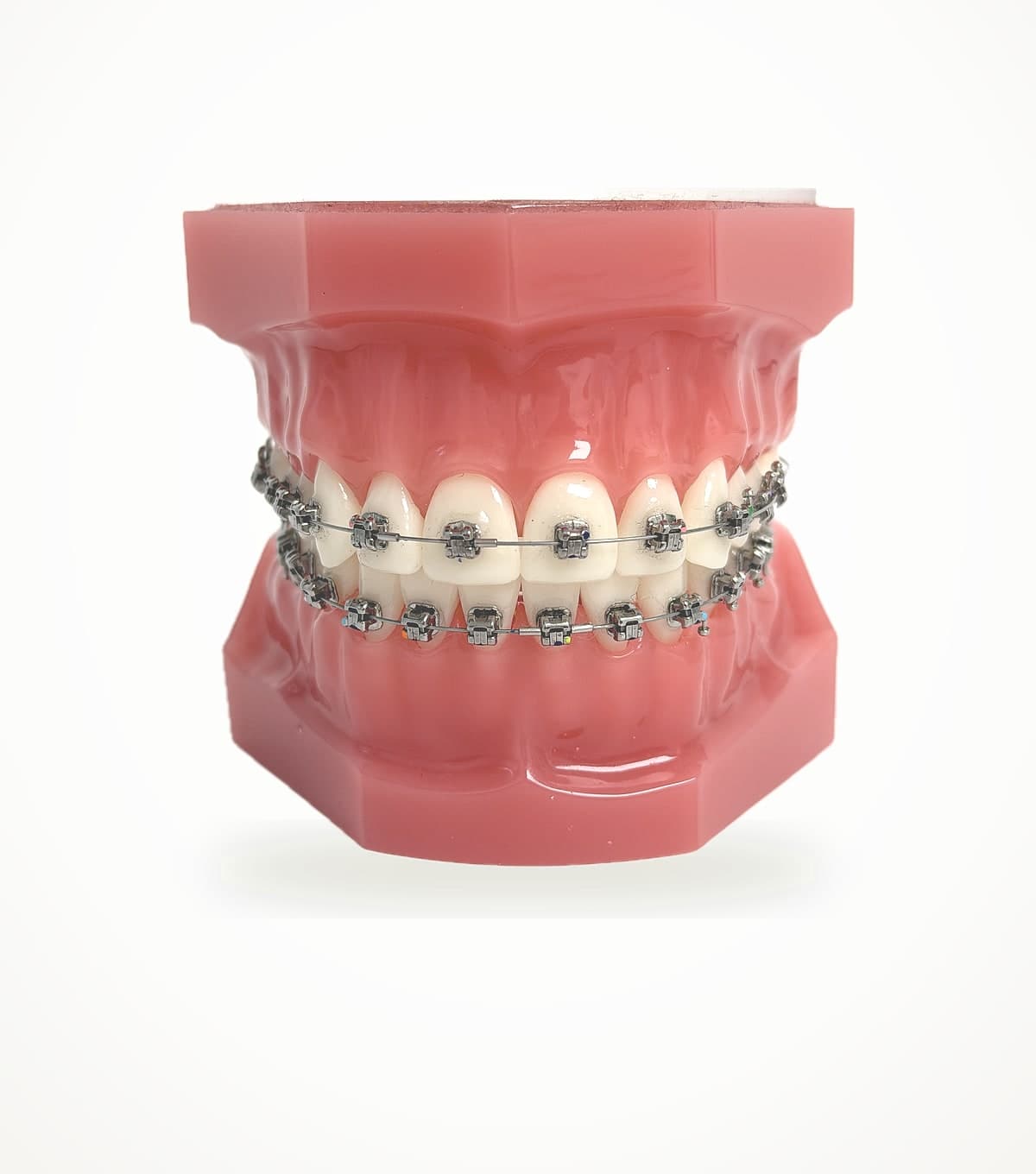
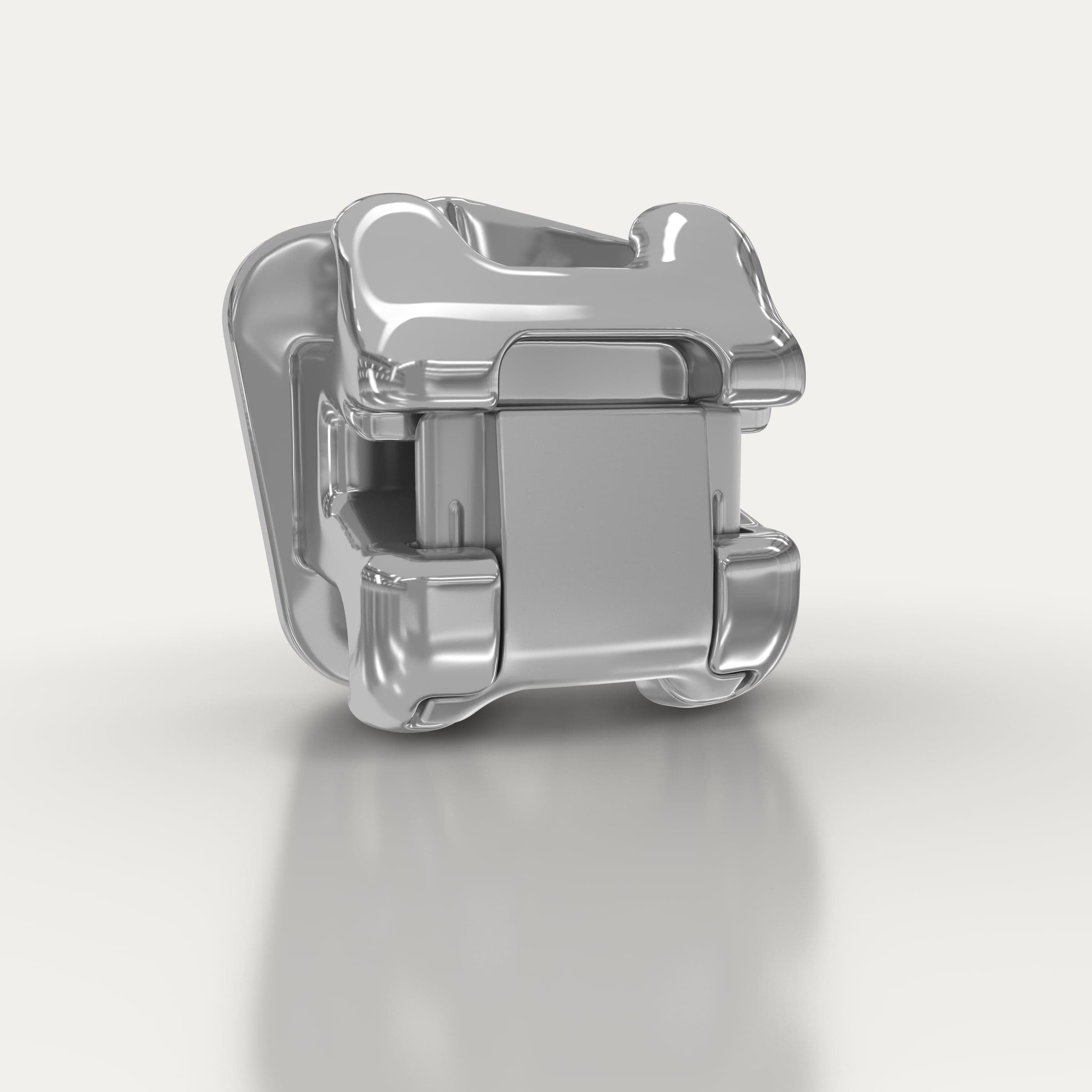
With fixed braces, small brackets are bonded to the teeth and connected by an archwire. The wire applies gentle, even pressure and guides the teeth step by step into the right position. At regular check-ups we adjust the wire.
Because the braces are fixed, they work around the clock – whether you think about them or not. Which type of bracket suits you is something we discuss at the consultation.
( On film )
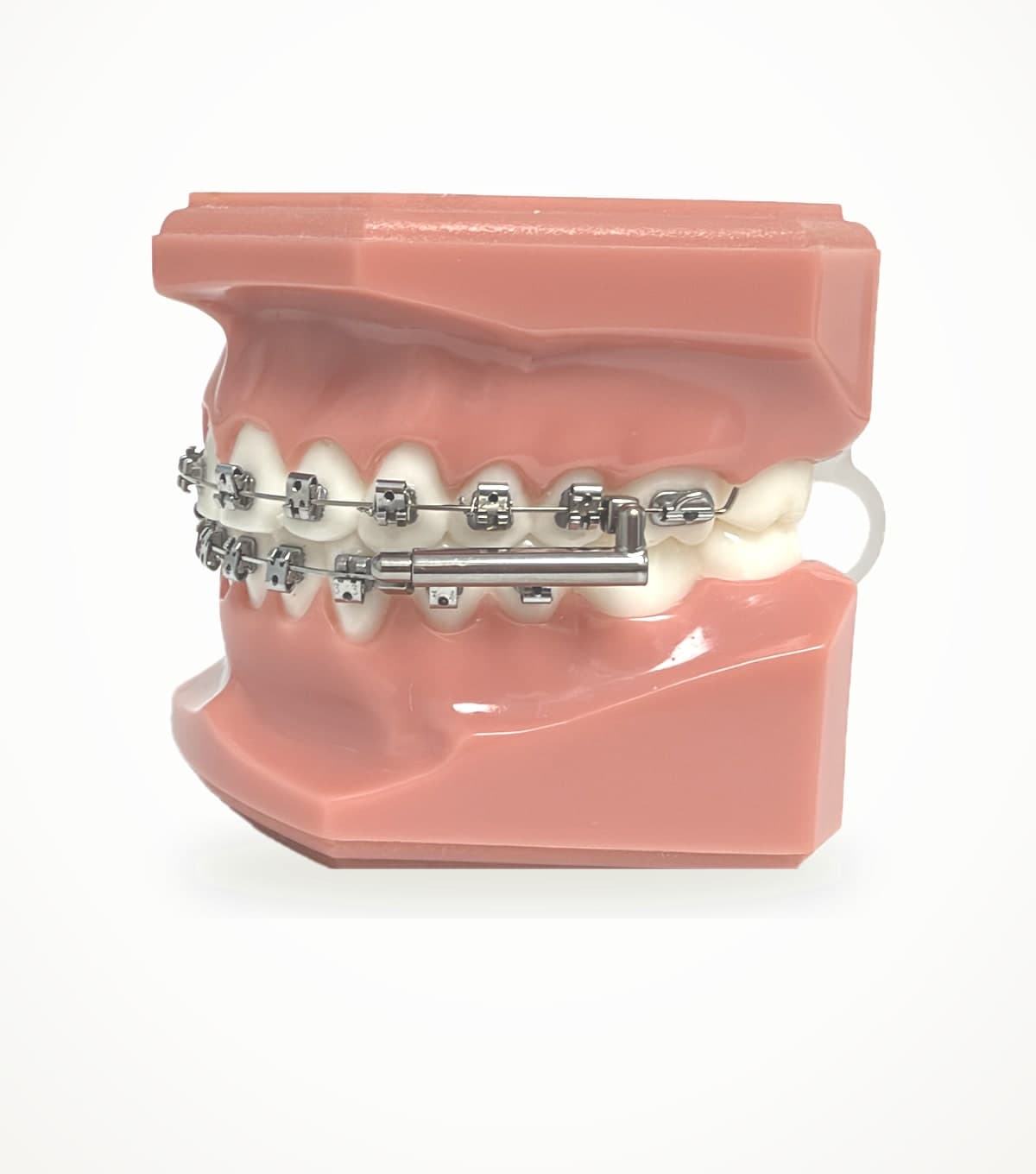
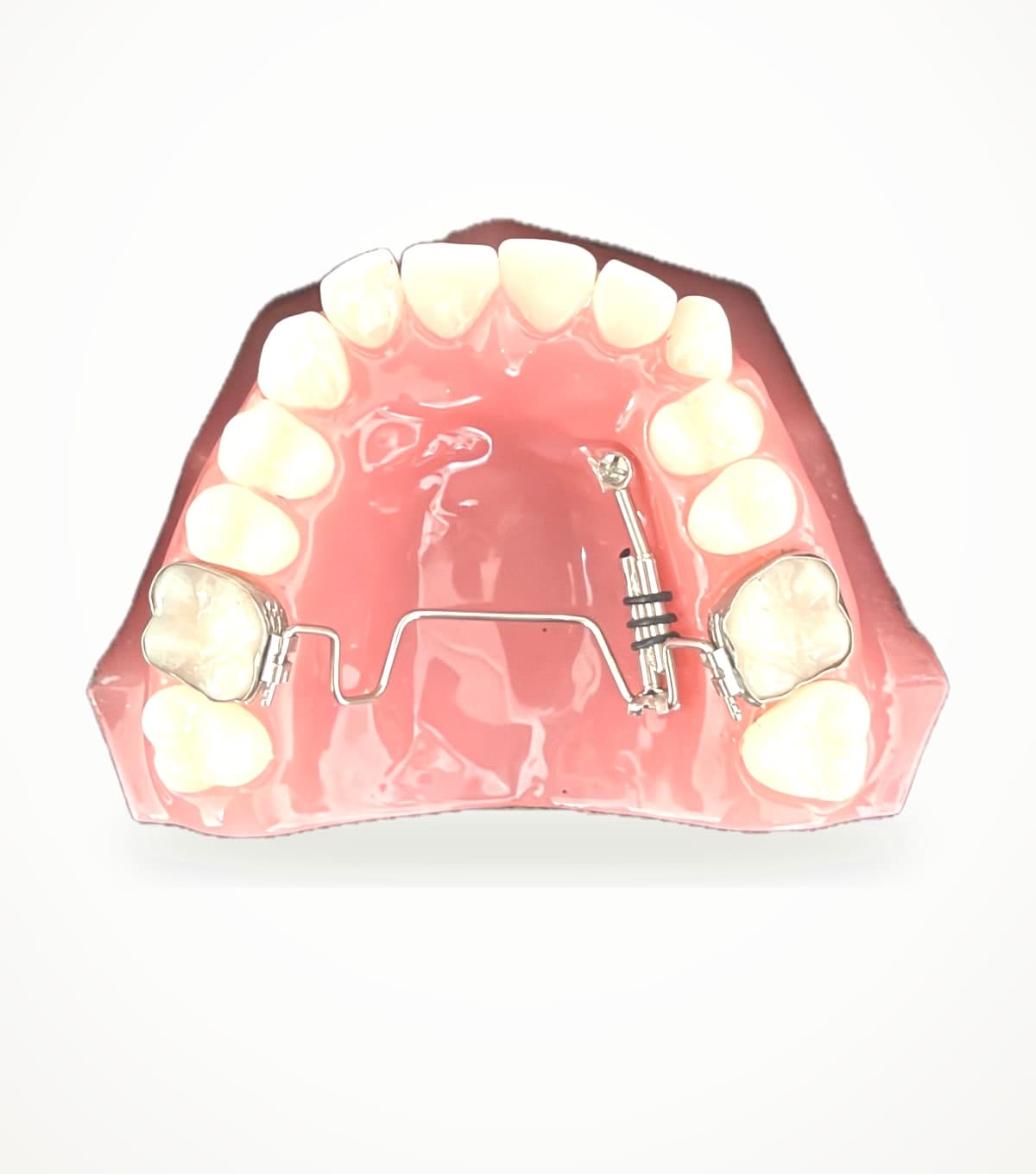
Fixed braces on film.
( At a glance )
What speaks for it.
- 01
Works around the clock
The braces work day and night without you having to remember to wear them.
- 02
For complex cases, too
Pronounced misalignments and bite corrections can be controlled precisely.
- 03
Precise control
Each tooth can be moved in a targeted way – for a stable, functional result.
- 04
Covered by insurance
For children and teenagers, statutory health insurance covers the costs when the findings qualify.
- 05
Pins as anchorage
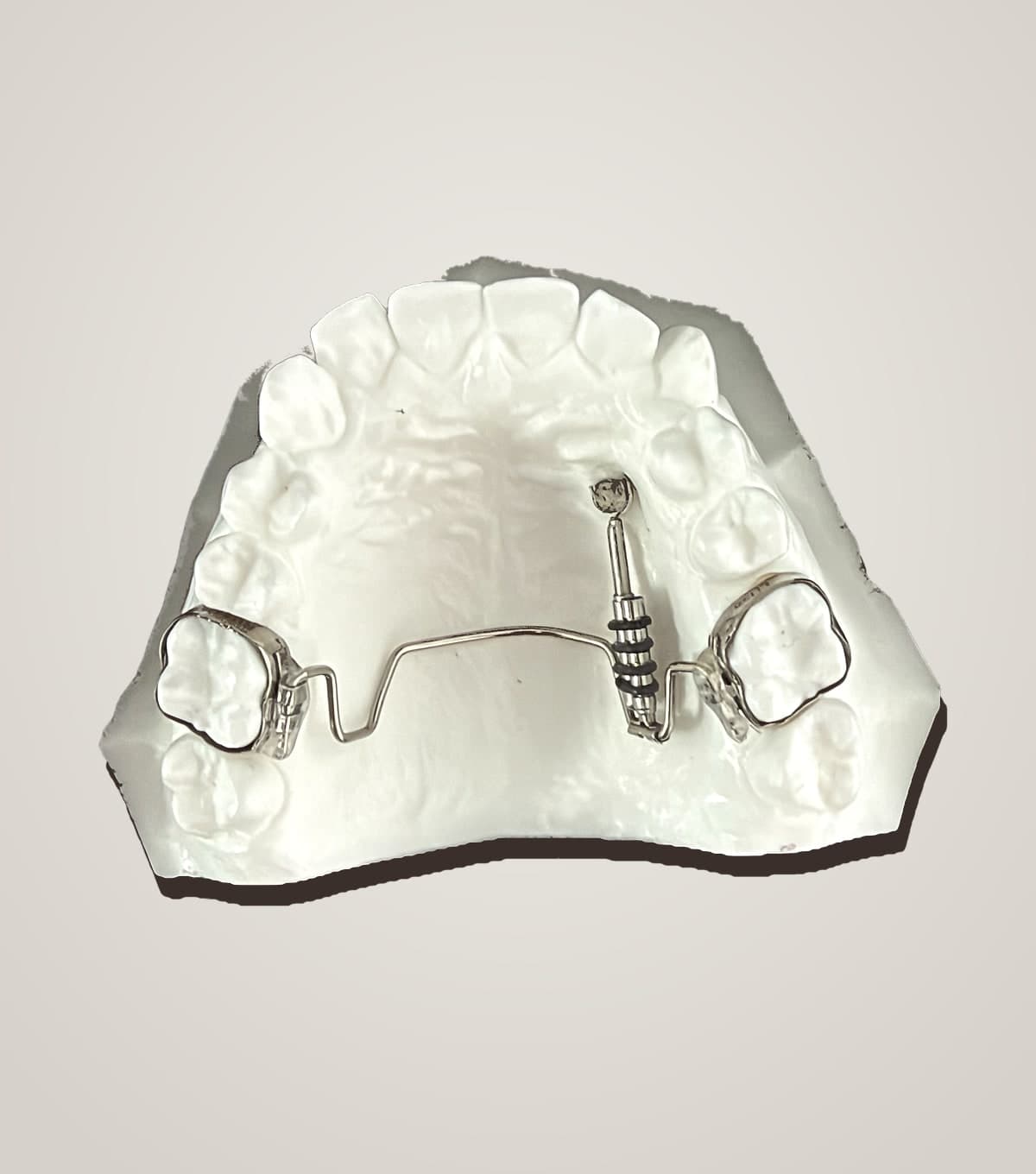
Small mini-screws (pins) provide stable anchorage for many tooth movements – for example closing gaps, uprighting or aligning teeth, and distalising molars with the TopJet. Teeth can be moved precisely, independent of patient cooperation and without headgear.
( Good to know )
Good to know: care with brackets.
Successful treatment needs good cooperation and careful oral hygiene. With brackets, brushing takes a little longer – we show you how to clean teeth and brackets properly.
- Brush thoroughly after every meal
- Use interdental brushes for the spaces in between
- Avoid very hard and sticky foods
- Keep your check-up appointments
( Process )
Fixed braces – step by step.
- 01
Consultation & findings
Examination, digital X-rays and a 3D scan as the basis for your treatment plan.
- 02
Fitting the brackets
The brackets are gently bonded to the teeth and the first archwire is fitted.
- 03
Check-ups
At regular intervals we adjust the wire and check progress.
- 04
Keeping the result
After the brackets are removed, a retainer secures the result.
( Costs )
What does insurance cover?
For children and teenagers under 18, statutory health insurance covers the costs when treatment is medically necessary. Your own contribution is refunded after treatment has been completed successfully.
For adults, statutory insurance pays only in exceptional cases, such as severe jaw misalignments that need combined surgical treatment. We explain any additional services to you openly beforehand.
Good questions, clear answers
Is your question not listed? Give us a call or ask at your first appointment.
Do fixed braces hurt?
Fitting them is painless. In the first days and after adjustments you may feel pressure, which usually eases quickly.
Can I eat everything with brackets?
Almost everything. You should avoid very hard or sticky foods such as nuts, caramel or chewing gum so that no brackets come loose.
What do I do if a bracket comes loose?
Call us – we will arrange an appointment promptly. Outside our opening hours you can find the orthodontic emergency service through the KZV Berlin.
How long do I have to wear the braces?
That depends on your starting point. At the consultation you receive an individual plan with a realistic time estimate.
What are pins?
Pins are small titanium mini-screws placed under local anaesthetic, usually in the palate or between the tooth roots. They serve as temporary, fixed anchorage – for example for the TopJet, for closing gaps or for uprighting teeth – and are removed after treatment.
( Other treatments )