TMD treatment.
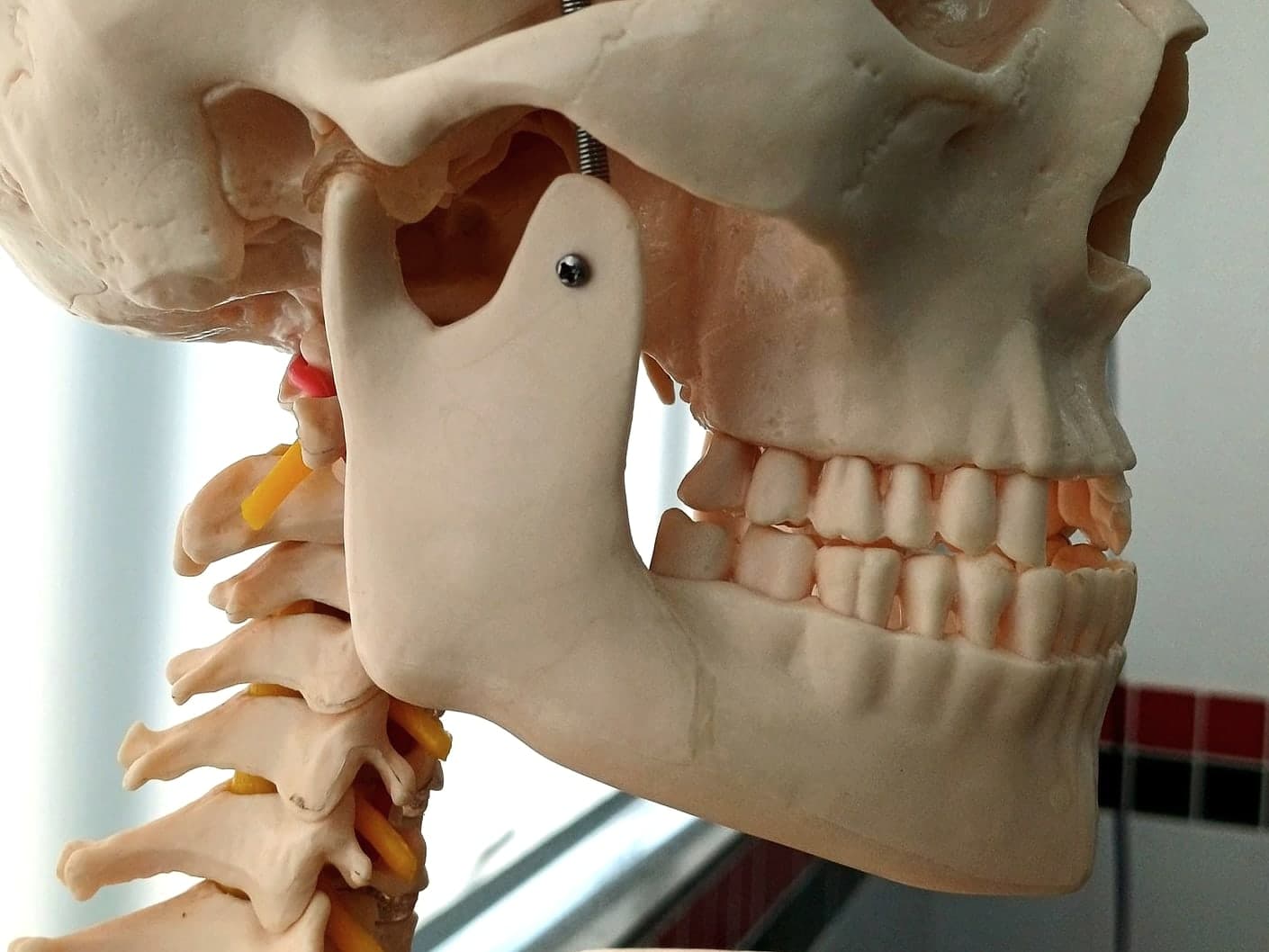
Clicking, grating, pain when chewing or a restricted mouth opening can point to a disorder of the jaw joint – known as temporomandibular disorder (TMD). We carefully identify the causes and treat them in a targeted way. We look at the whole system – from the jaw joints and muscles to the tongue and breathing.
( TMD treatment )
When jaw and muscles fall out of balance.
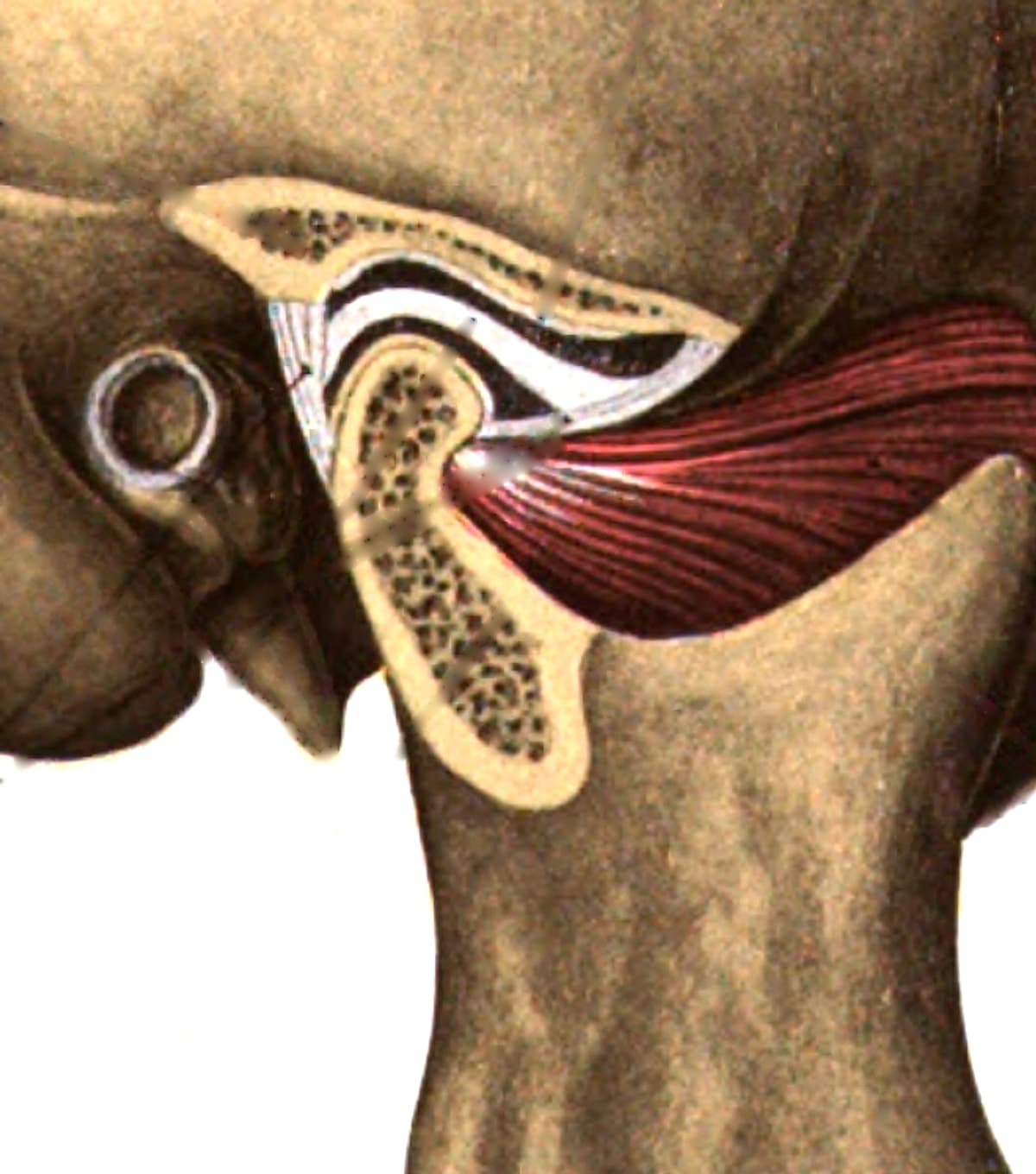
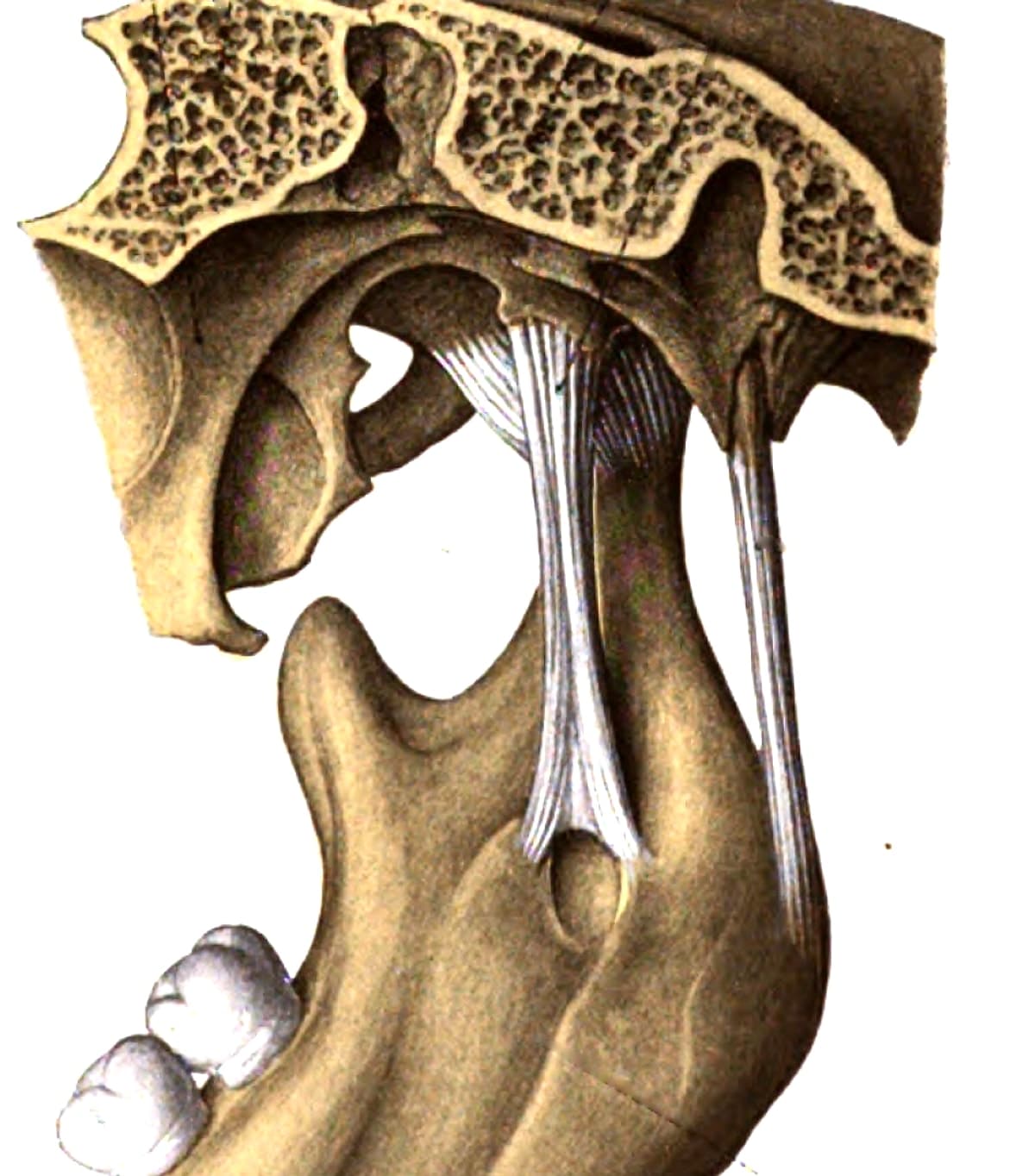
The jaw joints, chewing muscles and teeth work together as a finely tuned system. If the bite, joint position and muscle tension do not match, complaints can arise – in the jaw itself, but also as headaches, facial pain or neck pain.
Common triggers are a misaligned bite, grinding or clenching at night, and stress. That is why we start with thorough functional diagnostics. Building on this, we relieve the joints and muscles and, where necessary, treat the cause in the bite.
The tongue, breathing and posture also play a part and influence whether a result stays stable in the long term. That is why we look beyond the position of the teeth and, where it makes sense, coordinate with your dentist and other specialists.
( At a glance )
What speaks for it.
- 01
Thorough diagnostics
Examination of the jaw joints, chewing muscles and bite – supported by X-rays.
- 02
Custom bite splint
A precisely fitted splint relieves the joints and muscles and protects the teeth from grinding.
- 03
Treating the cause
If a misaligned bite is behind it, orthodontic correction can bring lasting relief.
- 04
Botulinum toxin therapy
For severely tense chewing muscles or heavy clenching, targeted injections of botulinum toxin can relax the muscles and ease complaints – in addition to the splint.
- 05
Tongue & breathing
An unfavourable tongue position or frequent mouth breathing can encourage misalignments – we include both in the diagnosis.
- 06
In a network
Where needed, we work with your dentist, physiotherapists, speech therapists or ENT specialists.
( Good to know )
When should you have your jaw joint examined?
Talk to us if one or more of these signs sound familiar:
- Clicking, grating or popping in the jaw joint
- Pain when chewing, yawning or speaking
- Restricted or uneven mouth opening
- Grinding or clenching your teeth at night
- Frequent headaches, facial pain or neck pain
- Recurring misalignments after earlier treatment
( Process )
TMD treatment – step by step.
- 01
Medical history
We talk in detail about your complaints, how they developed and possible triggers.
- 02
Functional examination
We examine the joints, muscles and bite and record the findings digitally.
- 03
Relief
A custom bite splint – supplemented by botulinum toxin treatment where needed – eases acute complaints.
- 04
Lasting solution
If the bite is the cause, we plan the right orthodontic correction together.
( Costs )
What does insurance cover?
Whether and to what extent your health insurance covers functional diagnostics and a bite splint depends on your findings and your insurance.
Before treatment begins, you receive a transparent overview of insurance benefits and any private costs.
Botulinum toxin treatment is generally not covered by statutory health insurance; we discuss the costs with you in advance.
Good questions, clear answers
Is your question not listed? Give us a call or ask at your first appointment.
Is jaw clicking dangerous?
Occasional clicking without pain is usually harmless. If pain, tension or a restricted mouth opening are added, the jaw joint should be examined.
How long do I need to wear a bite splint?
The splint is usually worn at night. How long depends on your complaints – we check progress regularly and adjust the splint as needed.
Can braces help with jaw joint problems?
If a misaligned bite contributes to the complaints, orthodontic treatment can relieve the jaw joints in the long term. Whether this makes sense for you, we clarify after the functional diagnostics.
When does botulinum toxin treatment make sense?
If your chewing muscles remain very tense despite a splint, or you clench and grind very hard, botulinum toxin can temporarily relax the muscles. The effect usually lasts a few months. We discuss in detail after the examination whether the treatment is an option for you.
Do I need a referral?
No, you can book an appointment directly. Feel free to bring any existing findings or X-rays.
( Other treatments )